Choosing a dog when you live in an apartment can feel overwhelming. You want a companion who will thrive in your space while also being considerate of your neighbors and daily routine. Many people assume apartment living means you can only have tiny dogs. The best dogs for apartments aren’t always the smallest ones.
What matters most goes beyond size. Energy level, barking tendencies, and overall temperament play a much bigger role in determining whether a dog will be happy in an apartment. A calm, quiet medium-sized dog can be a far better fit than a high-energy small breed that barks frequently. Understanding these factors will help you choose a dog that fits both your lifestyle and your space.
Below, we cover what makes a dog apartment-friendly and which breeds tend to do best, so you can pick one that actually fits your space and routine.
Top Apartment-Friendly Breeds
BREEDS:
- French Bulldog
- Cavalier King Charles Spaniel
- Pug
- Dachshund
- Shih Tzu
- Greyhound
- Boston Terrier
- Bichon Frise
How to Choose the Right Dog for Apartment Living
The single most important factor when choosing an apartment dog is energy level, not size. A large, calm dog who is content to lounge around your living room will cause far fewer problems than a small terrier bred to chase and bark at anything that moves. Consider how much exercise you can realistically provide each day and match that to a breed’s needs. Some dogs require hours of vigorous activity, while others are perfectly satisfied with a couple of short walks and indoor playtime.
Barking tendencies should be high on your priority list, especially if you have close neighbors sharing walls with you. Some breeds are naturally more vocal than others, and while training can help, you can’t completely override genetic predisposition. Apartment living requires a dog that won’t disturb others with constant noise, so research each breed’s typical barking behavior before making your decision.
Think carefully about your daily schedule and lifestyle. If you work long hours, you’ll need a dog that can handle alone time without developing anxiety or destructive behaviors. Some breeds are incredibly independent and do well on their own, while others need constant companionship. Similarly, consider your tolerance for grooming, exercise requirements, and potential health issues that certain breeds face.
Adaptability is another crucial characteristic for apartment dogs. The best apartment dogs are flexible and can adjust to different situations, whether that’s visitors coming over, noises from neighbors, or changes in routine. Dogs that startle easily or become reactive to every sound in the hallway will struggle in multi-unit housing.
Best Dogs for Apartments
French Bulldog
Small Dog, Big Personality

Learn about the French Bulldog →
Cavalier King Charles Spaniel
Velcro, But Make It Royal

Learn about the Cavalier King Charles Spaniel →
Pug
Clown in a Fur Coat

Learn about the Pug →
Dachshund
Tiny Dog, Big Personality

Learn about the Dachshund →
Shih Tzu
Royal Lap Gremlin

Learn about the Shih Tzu →
Greyhound
The Fastest Napper in the World

Learn about the Greyhound →
Boston Terrier
The Tuxedo Troublemaker

Learn about the Boston Terrier →
Bichon Frise
Cushion with a Personality

Learn about the Bichon Frise →
French Bulldog: Best Overall Apartment Dog
French Bulldogs are one of the best dogs for apartments because of their low energy levels and quiet nature. They typically require only short walks and indoor playtime to stay happy. Their relaxed temperament and minimal barking make them ideal for close living quarters.
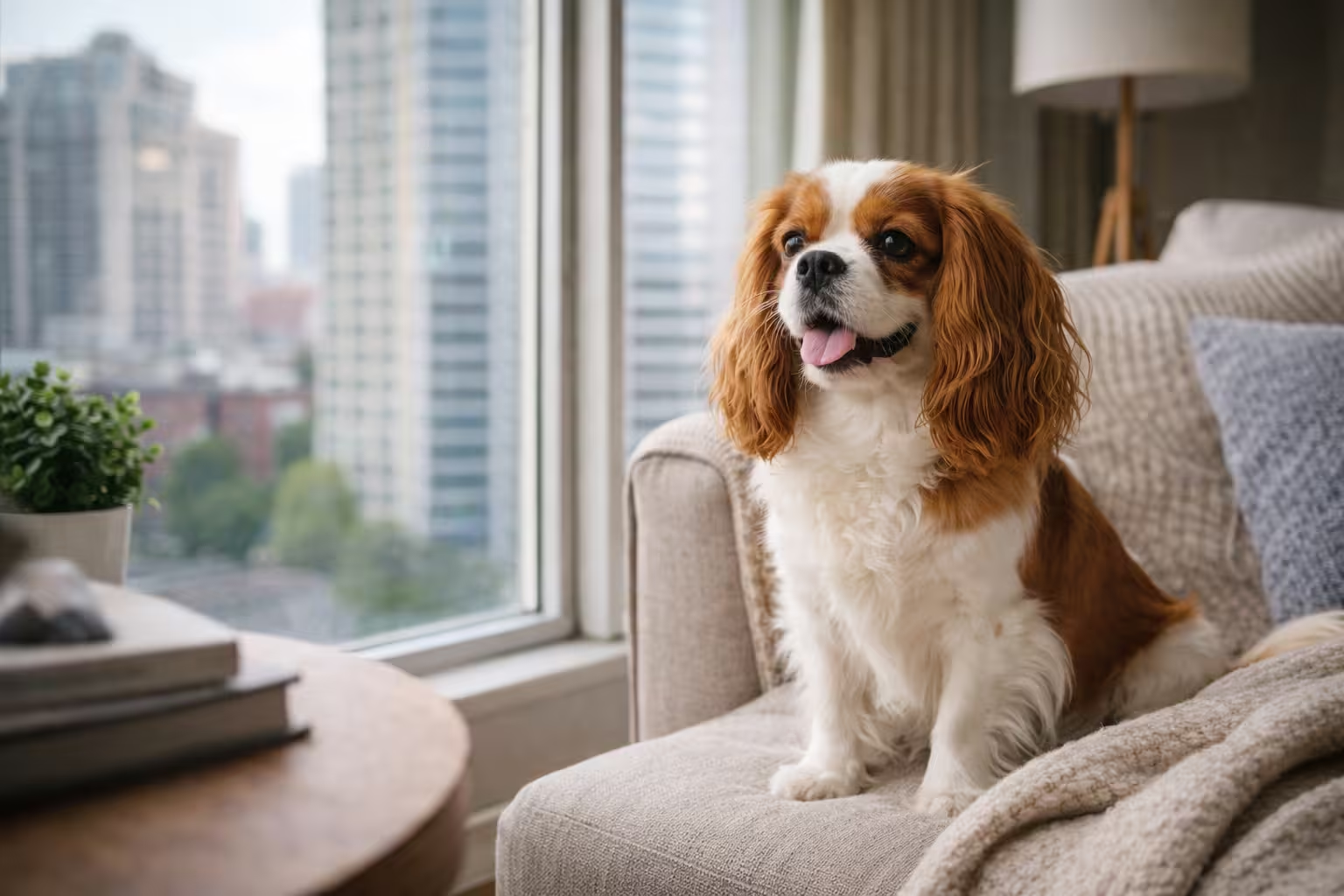
Cavalier King Charles Spaniel: Best for Companionship
These gentle, affectionate dogs are highly adaptable and thrive in apartment environments. Cavaliers have moderate energy levels and are happy with daily walks and cuddle time. Their quiet and friendly nature makes them great neighbors in shared spaces.
Pug: Low-Energy Companion
Pugs are charming, low-maintenance dogs that do well in apartments. They don’t require extensive exercise and are usually content with short walks and indoor time. While they can be vocal when excited, they are not typically excessive barkers.
Dachshund: Small but Alert
Dachshunds can adapt well to apartment living thanks to their small size and moderate exercise needs. However, they do have a tendency to bark, so training is important. With proper guidance, they can be great apartment companions.
Shih Tzu: Ideal Indoor Dog
Originally bred as companion dogs, Shih Tzus are naturally suited for indoor living. They have low exercise requirements and tend to be quiet. Their affectionate nature makes them excellent for apartment dwellers who want a relaxed companion.
Greyhound: Best Large Apartment Dog
Despite their size, Greyhounds are surprisingly one of the best apartment dogs. Known as “couch potatoes,” they are calm indoors and sleep much of the day. They rarely bark and adapt extremely well to smaller living spaces.
Boston Terrier: Friendly and Adaptable
Boston Terriers are compact, social dogs that fit well into apartment life. They have moderate energy levels and are not known for excessive barking. Their adaptability makes them a great choice for a wide range of owners.
Bichon Frise: Hypoallergenic Option
Bichon Frises are cheerful, small dogs that do well in apartments. They are sociable and generally quiet when trained properly. Their hypoallergenic coats are a bonus, though they require regular grooming.
What apartment dog ownership actually looks like
The breed list is half the answer. The other half is whether you can give an apartment dog what it needs once you bring it home. Here’s what most owners ask after they pick a breed.
Exercising a dog without a yard
A yard is a place to do laps. It isn’t a substitute for real exercise. Most apartment-friendly breeds do well on two walks a day, 20 to 45 minutes each. Higher-energy dogs need closer to 60 to 90 minutes plus indoor play.
A few things that actually move the needle:
- A long-line in a quiet park lets a recall-trained dog cover ground without off-leash risk.
- Sniff walks (let the dog lead, no agenda) tire dogs out faster than march walks of the same length.
- A flirt pole in the hallway or a few flights of stair climbs cover a missed walk on a bad-weather day.
- Weekday dog parks beat free-for-all weekend parks for calm socialization.
If a breed needs more than two hours of structured exercise a day, it isn’t really an apartment dog. That’s the honest filter.
What landlords can actually restrict
Most U.S. rentals can legally restrict dogs in three ways: weight limits (commonly 25, 35, or 50 lb), breed bans, and pet fees or monthly pet rent. Read the lease before you commit to a breed, not after.
A few things worth knowing:
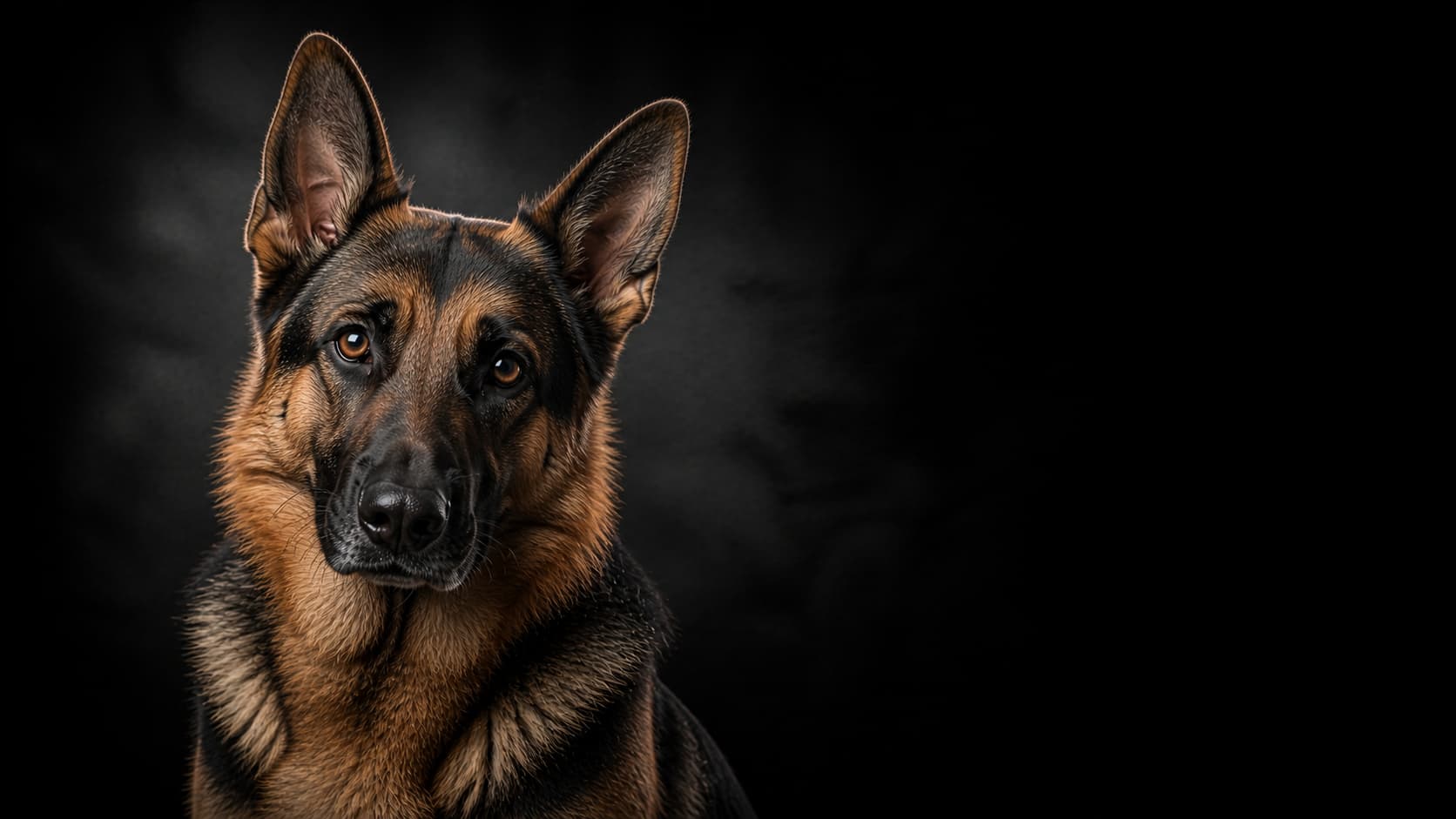
- Breed bans usually target pit-bull-type dogs, Rottweilers, Dobermans, German Shepherds, and sometimes Huskies and Akitas. The list comes from the building’s insurance policy, not the landlord’s personal opinion.
- Mixed-breed rescues can fail weight limits if they grow into a borderline size. Don’t promise the building a “small mix” when you don’t know the parents.
- Service dogs and ESAs are not pets under the federal Fair Housing Act, so breed and weight rules don’t apply. Real documentation matters; an online certificate from a $39 website usually doesn’t.
Managing barking in shared-wall buildings
Barking is the fastest way to lose your lease or your neighbors’ goodwill. A few things that actually help:
- Block the visual triggers. A street-level window with sidewalk traffic, or a peephole-level door, is a barking machine. Frosted film or a strategic piece of furniture removes most of it.
- Don’t shush, don’t yell. Both teach the dog that something exciting is happening. Cue a known behavior instead (mat, place, bed) and reward calm.
- White noise dampens hallway sound for a dog the way it does for a person. A $25 fan does what a $400 anxiety wrap doesn’t.
- Pick a breed that doesn’t alert-bark by design. Most terriers and beagles will. Greyhounds, Cavaliers, and Frenchies usually won’t.
Dogs That May Not Be Ideal for Apartments
While many dogs can adapt to apartment living, some breeds require more space and activity than most apartments can provide. High-energy working breeds like Border Collies, Australian Shepherds, and Huskies need significant daily exercise and mental stimulation. Without it, they can become destructive or anxious.
Similarly, breeds known for frequent barking, such as Beagles or certain terriers, may create challenges in shared living spaces. If you’re considering a more active or vocal breed, it’s important to be realistic about whether you can meet their needs in an apartment environment.
CONCLUSION
Finding the best dogs for apartments comes down to choosing a breed that matches your lifestyle. Energy level, temperament, and noise tendencies matter far more than size alone. With the right match, apartment living can be just as fulfilling for your dog as it is for you.