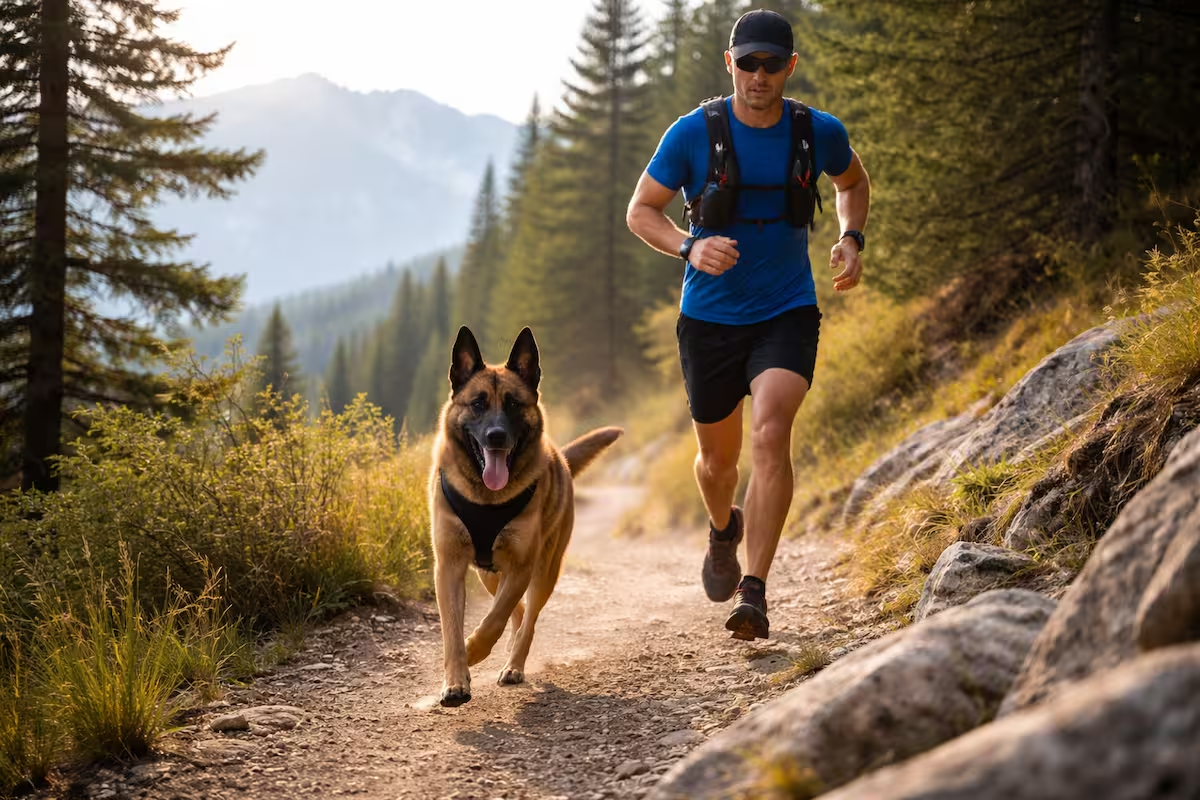
If you’re a runner, you’re not just looking for a pet. You’re looking for a training partner.
Not every dog is built for running. Some breeds are happy with short walks. Others are bred for endurance, speed, and long-distance work. The right dog can change how you train, where you explore, and how often you actually get out the door.
This guide breaks down the best dogs for runners based on endurance, temperament, and athletic ability, so you can find a companion that keeps up.
Best Dogs for Runners (Quick Picks)
- Vizsla
- German Shorthaired Pointer
- Border Collie
- Weimaraner
- Siberian Husky
- Rhodesian Ridgeback
- Australian Shepherd
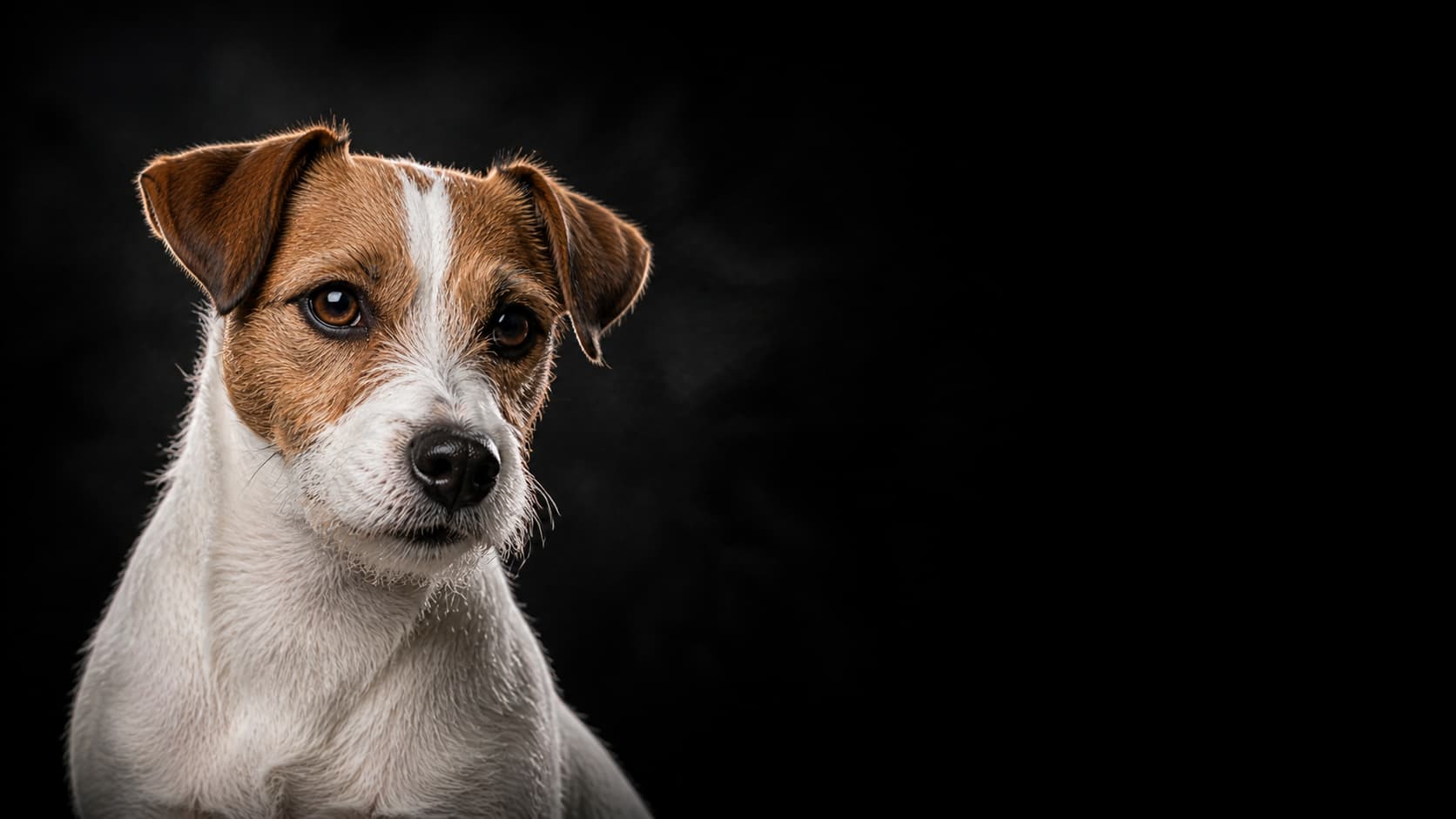
- Jack Russell Terrier
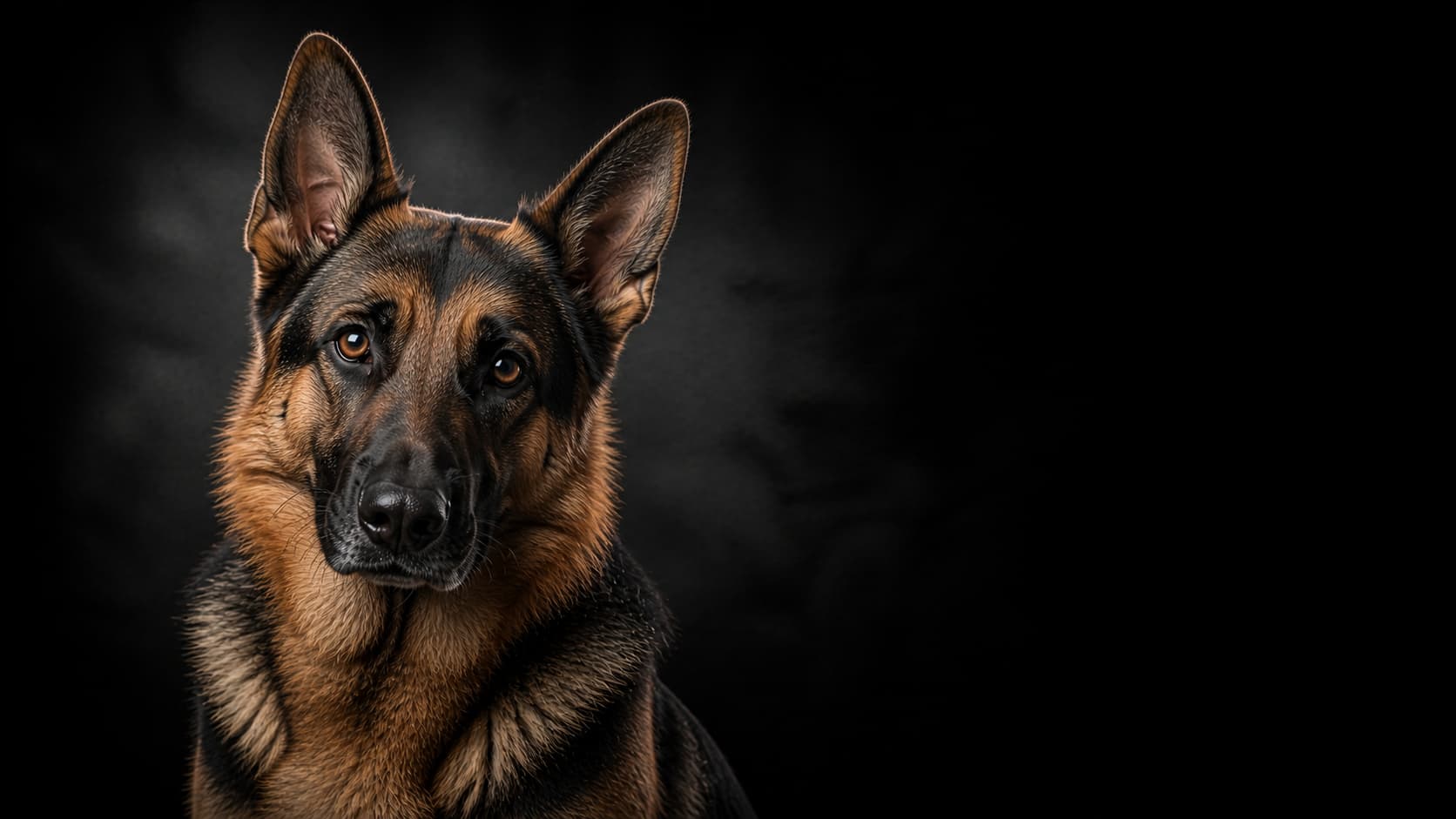
- Belgian Malinois
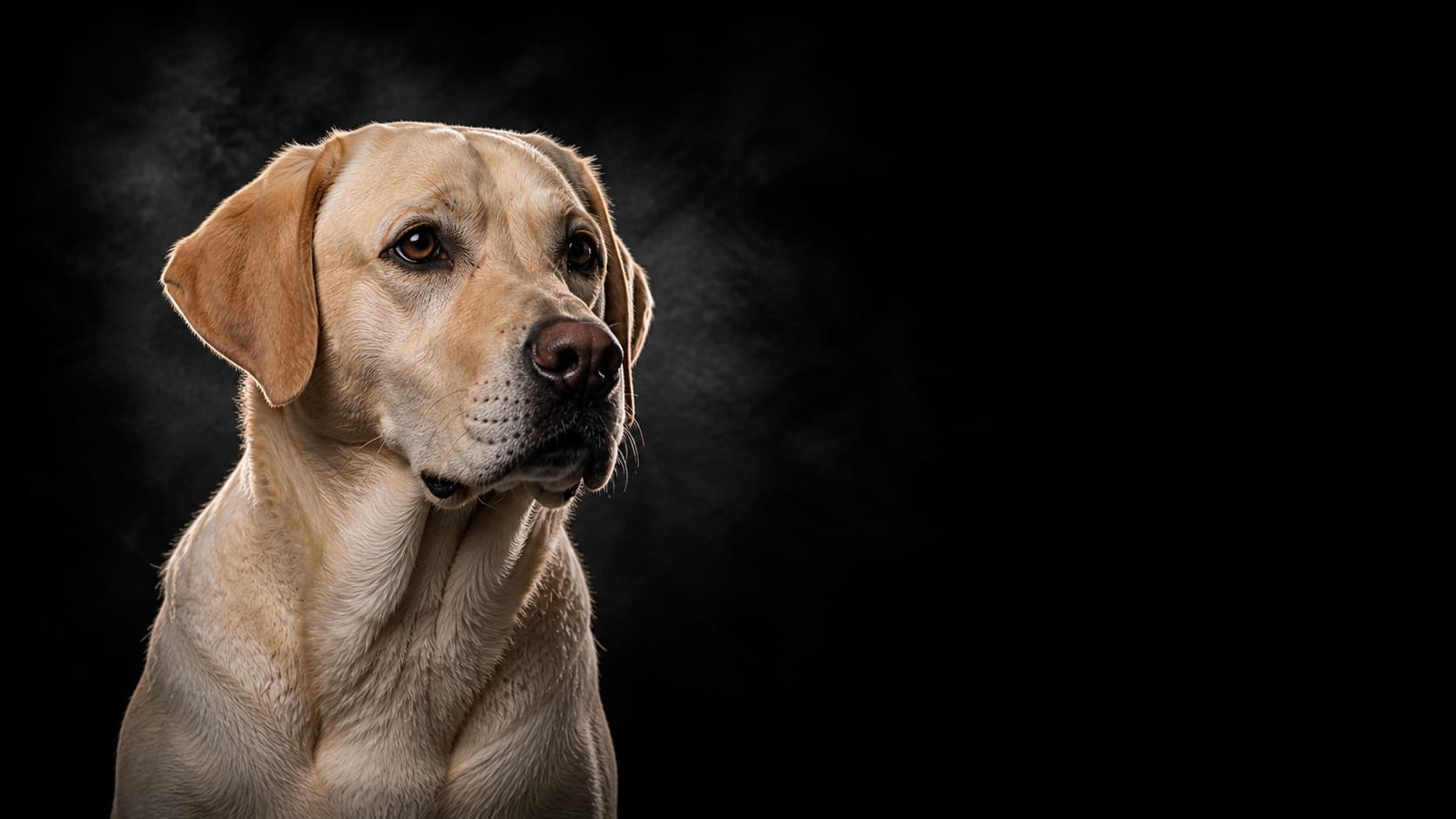
- Labrador Retriever
Best Breeds for Runners
Vizsla
Velcro With a Vroom

Learn about the Vizsla →
German Shorthaired Pointer
Born to Run (and Retrieve)
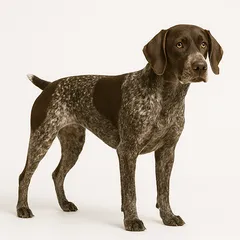
Learn about the German Shorthaired Pointer →
Border Collie
Brains on Paws

Learn about the Border Collie →
Weimaraner
Built for Speed. Glued to Your Side.

Learn about the Weimaraner →
Siberian Husky
Escape Artist Extraordinaire

Learn about the Siberian Husky →
Rhodesian Ridgeback
Strong, Silent, and Seriously Loyal

Learn about the Rhodesian Ridgeback →
Australian Terrier
Grit, Wit, and a Whole Lot of Charm

Learn about the Australian Terrier →
Belgian Malinois
All Gas, No Brakes

Learn about the Belgian Malinois →
Labrador Retriever
America's favorite fetch-obsessed family dog.

Learn about the Labrador Retriever →
Jack Russell Terrier
Small Dog, Big Chaos
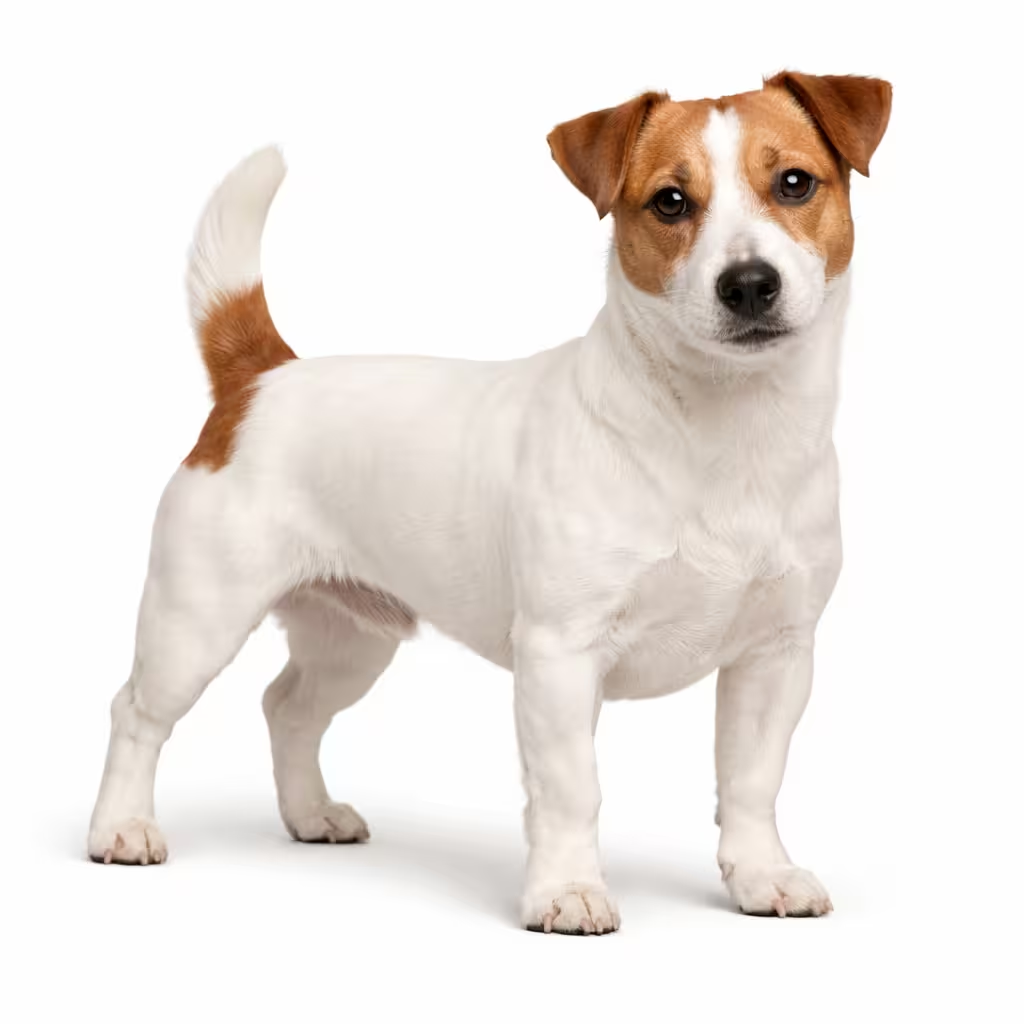
Learn about the Jack Russell Terrier →
Vizsla: Built for Distance Running
Vizslas are one of the best dogs for runners. Lean build, deep endurance, bred to hunt all day. They thrive on sustained activity and want to stay close to their owners.
Best for: Long-distance runners, marathoners
Watch out for: Separation anxiety if under-stimulated
German Shorthaired Pointer: High-Endurance Athlete
German Shorthaired Pointers are powerful and fast. Bred for long days in the field, they handle both speed and endurance. A good fit for runners who mix terrain and intensity.
Best for: Trail runners, endurance athletes
Watch out for: Needs strong recall training
Border Collie: High-Drive Runner
Border Collies pair stamina with serious intelligence. They can handle long runs, but they require mental stimulation as much as physical exercise.
Best for: Runners who also train or do agility
Watch out for: Will become destructive if bored
Weimaraner: Long-Distance Companion
Weimaraners are sleek and fast, built for sustained movement. They make good running partners for experienced owners who stay consistent with exercise.
Best for: Intermediate to advanced runners
Watch out for: Can be destructive without enough activity
Siberian Husky: Cold Weather Endurance
Huskies were bred to pull sleds over long distances. They thrive in cold climates and can handle extended runs without much trouble.
Best for: Cold climates, winter runners
Watch out for: Poor off-leash reliability
Rhodesian Ridgeback: Heat-Tolerant Runner
Ridgebacks were originally bred in Africa and do well in warmer climates. They’re strong and quiet, and they can run long distances with proper training.
Best for: Hot climates, trail runners
Watch out for: Independent personality
Australian Shepherd: Agile Trail Partner
Australian Shepherds have endurance, agility, and strong handler focus. They’re a good match for technical terrain and runners who want a dog that stays engaged.
Best for: Trail runners, hikers
Watch out for: Needs both physical + mental work
Jack Russell Terrier: High-Energy Short Distance
Jack Russells are small but intense. They’re a good fit for shorter runs and fast-paced workouts. Not distance dogs, but they bring serious energy.
Best for: Short runs, urban runners
Watch out for: Can be reactive
Belgian Malinois: Elite Performance Dog
Malinois are top-tier working dogs. They’re fast and focused, and they thrive in high-performance environments.
Best for: Advanced owners, serious athletes
Watch out for: Requires constant training and engagement
Labrador Retriever (Field Line): Versatile Running Partner
Field-bred Labs are athletic, trainable, and adaptable. They’re a solid option for runners who want a balance of performance and steady temperament.
Best for: First-time active owners
Watch out for: Joint stress if overworked young
Dogs That Are NOT Good for Running
Some breeds are simply not built for running:
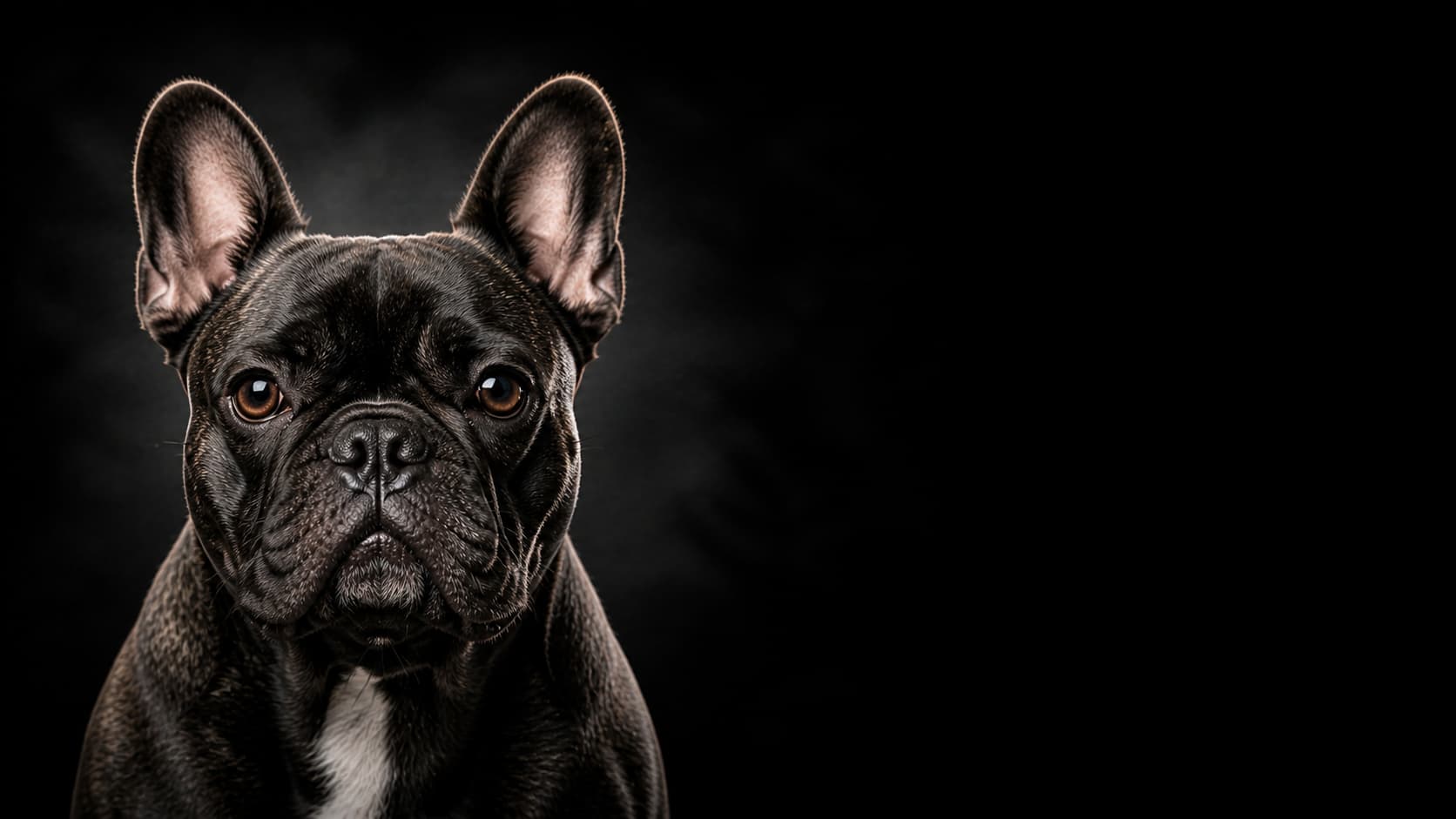
- Bulldogs (English & French): breathing limitations
- Basset Hounds: joint and structure limitations
- Pugs, Shih Tzus, Pekingese: poor endurance and heat tolerance
These dogs can still be great companions, just not running partners.
How to Run Safely With Your Dog
- Don’t run puppies (protect growth plates)
- Build distance gradually
- Avoid peak heat hours
- Always bring water
- Watch for fatigue signals
Conclusion
The best dogs for runners match your pace, your environment, and your training style. Whether you’re logging miles on pavement or running trails, the right dog becomes a real training partner.
Choose carefully, train consistently, and you’ll have a companion that keeps up for years to come.